
Bird Watching Tours in Kenya
Kenya is one of the best birding destinations in Africa, with 1,154 recorded bird species across a remarkable range of habitats. From the flamingo-filled lakes of the Great Rift Valley to tropical rainforests, coastal forests, savannahs, wetlands, and mountain forests, Kenya offers birding opportunities throughout the year.
It is one of only 15 countries in the world with more than 1,000 bird species and holds the world record for a 24-hour bird watch, with 342 species recorded in a single day.
Whether you are a dedicated birder searching for endemics or a safari traveler who enjoys wildlife and birds together, Kenya offers one of the most diverse bird watching experiences in Africa.
At Gigo Safari Africa, we organize Kenya bird watching tours that combine specialist birding, wildlife safaris, photography opportunities, and cultural experiences across the country’s top birding destinations.
Why Kenya Is a World-Class Birding Destination
Few countries can match Kenya’s diversity of bird habitats.
Within a single itinerary, you can explore Rift Valley soda lakes, freshwater wetlands, tropical rainforest, savannah grasslands, montane forests, semi-arid scrublands, coastal forests, mangroves, and highland moorlands.
This habitat diversity is the main reason Kenya supports more than 1,154 bird species, making it one of Africa’s leading birding destinations.
Many visitors regularly record more than 100 species in a single day, even on general safari itineraries.
Unlike many birding destinations, Kenya allows travelers to combine bird watching with classic wildlife safaris, making it suitable for both specialist birders and first-time visitors.
Kenya’s Top Birding Destinations
Destination | Species Count | Signature Birds | Best For |
Maasai Mara | 500+ | Secretary Bird, Kori Bustard, Bateleur Eagle | Raptors and savannah birding |
Lake Nakuru | 450+ | Flamingos, Pelicans, African Fish Eagle | Rift Valley wetlands |
Lake Bogoria | 400+ | Lesser Flamingo mega-flocks | Flamingo viewing |
Lake Baringo | 470+ | Goliath Heron, Verreaux’s Eagle-Owl | Freshwater birding |
Kakamega Forest | 367+ | Great Blue Turaco, Crowned Eagle | Forest birding |
Samburu National Reserve | 380+ | Golden-breasted Starling, Somali Ostrich | Dry-country species |
Arabuko-Sokoke Forest | 230+ | Sokoke Pipit, Clarke’s Weaver | Coastal endemics |
Taita Hills | 300+ | Taita Thrush, Taita Apalis | Kenya endemics |
Nairobi National Park | 500+ | Pangani Longclaw, Northern Pied Babbler | Day trips from Nairobi |
Aberdare and Kinangop | 250+ | Sharpe’s Longclaw, Jackson’s Widowbird | Highland specialists |
The Rift Valley Lakes: Flamingos and Water Birds
Kenya’s Rift Valley lakes are among Africa’s most famous birding locations. Lake Nakuru, Lake Bogoria, Lake Elementaita, Lake Baringo, and Lake Naivasha each support different bird communities and habitats.
Lake Nakuru remains one of Kenya’s most important birding destinations, with more than 450 recorded species. African Fish Eagles, pelicans, cormorants, storks, herons, and flamingos can all be seen here. However, birders should know that flamingo numbers at Lake Nakuru are no longer as predictable as they once were due to changing water levels and lake conditions.
For reliable flamingo viewing, Lake Bogoria is currently Kenya’s best destination. In 2019, more than one million flamingos were recorded at the lake during a single survey. Lake Baringo provides a completely different experience. As a freshwater lake, it attracts species such as the Goliath Heron, African Fish Eagle, Verreaux’s Eagle-Owl, kingfishers, and numerous water birds.
Lake Naivasha offers excellent boat-based birding, with African Jacanas, Fish Eagles, herons, and waterfowl commonly observed around the lake. Together, Lake Nakuru, Lake Bogoria, and Lake Elementaita form part of the UNESCO-listed Kenya Lake System.
Kakamega Forest: Kenya’s Only Tropical Rainforest
Kakamega Forest is one of the most important birding sites in East Africa.
As Kenya’s only tropical rainforest, it represents the easternmost remnant of the ancient Guineo-Congolian rainforest ecosystem that once stretched across Central Africa.
The forest supports more than 367 bird species, including many that are difficult or impossible to find elsewhere in Kenya.
Key target species include the Great Blue Turaco, Turner’s Eremomela, Blue-headed Bee-eater, Crowned Eagle, African Grey Parrot, and several forest specialists.
For serious birders, Kakamega is often considered one of Kenya’s essential destinations.
Samburu and Northern Kenya
Northern Kenya offers a completely different birding experience from the southern safari circuit.
The dry habitats around Samburu National Reserve support more than 380 bird species, including several northern specialists that are rarely seen elsewhere in Kenya.
Birders visiting Samburu often search for the Golden-breasted Starling, Vulturine Guineafowl, Somali Ostrich, Williams’ Lark, Somali Bee-eater, and Von der Decken’s Hornbill.
One of Samburu’s greatest strengths is that excellent birding takes place alongside outstanding wildlife viewing.
While searching for birds, visitors may also encounter elephants, lions, leopards, giraffes, and the Samburu Special Five.
Arabuko-Sokoke Forest and the Kenya Coast
Arabuko-Sokoke Forest is the largest coastal forest in East Africa and one of the continent’s most important sites for endemic and globally threatened birds. The forest is famous for species such as the Sokoke Pipit, which occurs nowhere else on Earth, the Sokoke Scops Owl, Clarke’s Weaver, Fischer’s Turaco, and Amani Sunbird.
Nearby Mida Creek provides an important feeding and resting area for migratory birds traveling along the East African Flyway. From October to April, birders can observe numerous migratory waders and shorebirds arriving from Europe and Asia. Arabuko-Sokoke is often combined with Watamu and the Kenya coast, creating an itinerary that combines birding with beach relaxation.
Maasai Mara Bird Watching
Although Maasai Mara is best known for the Great Migration, it is also one of Africa’s finest birding destinations. More than 500 bird species have been recorded within the reserve, including over 57 species of raptors. Birders regularly encounter Bateleur Eagles, Martial Eagles, Secretary Birds, Southern Ground Hornbills, Kori Bustards, vultures, storks, and rollers.
The Maasai Mara is particularly attractive because bird watching and wildlife safaris happen simultaneously. Visitors can spend the morning watching lions and cheetahs while also recording dozens of bird species during the same game drive.
Taita Hills: Kenya’s Endemic Bird Hotspot
For birders interested in endemic species, the Taita Hills is one of Kenya’s most important destinations. The area is the only place in the world where three strict Kenyan endemics occur. These are the Taita Thrush, Taita Apalis, and Taita White-eye. With experienced local guides, all three species can often be seen within a single day.
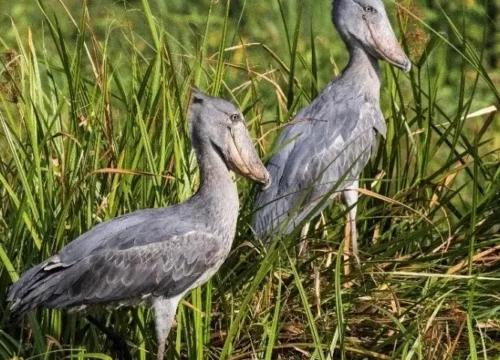
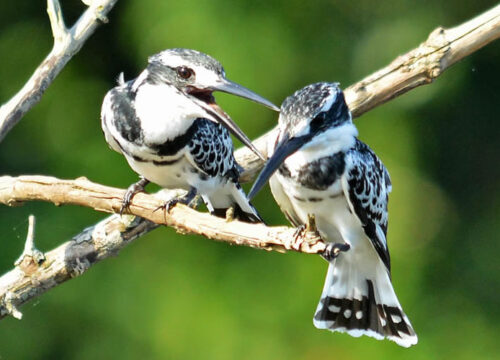

What is the Best Time for Bird Watching in Kenya
Bird watching in Kenya is possible throughout the year. From November to April, migratory birds arrive from Europe and Asia, increasing species diversity across the country. Many resident birds also display breeding plumage during this period.
This is generally considered the best season for overall bird numbers. From June to October, drier conditions make travel easier and improve visibility across open habitats. This period is particularly good for raptors, flamingos, and birding combined with the Great Migration in Maasai Mara. July to October is especially popular because travelers can enjoy both exceptional wildlife viewing and excellent birding opportunities.
Bird Watching for Non-Birders
You do not need to be a specialist birder to enjoy Kenya’s birdlife. During a normal game drive, visitors regularly see colorful species such as Lilac-breasted Rollers, Superb Starlings, Secretary Birds, African Fish Eagles, hornbills, bee-eaters, and kingfishers.
For mixed-interest groups, one traveler can focus on bird identification while others enjoy mammals, landscapes, photography, and cultural experiences. This flexibility makes Kenya ideal for couples, families, and small groups with different interests.

- Quality5
- Location4
- Amenities4
- Services5
- Price4
3-day safari to Lake Mburo National Park in Uganda:

Why Travel with Gigo Safari Africa?
Our Kenya bird watching tours are designed for both dedicated birders and general safari travelers. We work with experienced guides who understand bird identification, seasonal movements, habitat requirements, and photography opportunities.
Whether you want a specialist birding itinerary focused on endemic species, a Rift Valley flamingo tour, a rainforest birding expedition, or a classic Kenya safari with bird
Tourists Reviews
Posted on GoogleTrustindex verifies that the original source of the review is Google. Posted on GoogleTrustindex verifies that the original source of the review is Google. Posted on GoogleTrustindex verifies that the original source of the review is Google. Posted on GoogleTrustindex verifies that the original source of the review is Google. KirekaPosted on GoogleTrustindex verifies that the original source of the review is Google.
Frequently Asked Questions
How many bird species are found in Kenya?
Kenya has 1,154 recorded bird species, making it one of Africa’s leading birding destinations and one of only 15 countries worldwide with more than 1,000 species.
What is the best time for bird watching in Kenya?
November to April offers the highest species diversity due to migratory birds and breeding plumage. June to October is excellent for raptors, flamingos, and combining birding with wildlife safaris.
Where is the best place to see flamingos in Kenya?
Lake Bogoria is currently the most reliable destination for flamingo viewing. Lake Nakuru still supports flamingos but numbers vary depending on lake conditions.
Does Kenya have endemic birds?
Yes. Kenya has several endemic and near-endemic species, including the Taita Thrush, Taita Apalis, Taita White-eye, Clarke’s Weaver, Sharpe’s Longclaw, and Williams’ Lark.
Can I combine bird watching with a safari?
Yes. Most of Kenya’s best birding destinations overlap with major safari areas, making bird watching a natural part of a wildlife safari.
What birds can I see in Maasai Mara?
Maasai Mara supports over 500 bird species, including Secretary Birds, Bateleur Eagles, Martial Eagles, Kori Bustards, vultures, Southern Ground Hornbills, and many migratory species.
Why is Kakamega Forest important for birding?
Kakamega is Kenya’s only tropical rainforest and supports more than 367 bird species, including several forest specialists not found elsewhere in the country.


